







Money and cards in Colombia: ATMs, card machines and exchanging dollars
Which ATM to use and what it charges, why the card machine comes to your table here, pesos or dollars when you pay, and where to exchange money safely in Medellín, Cartagena and Cali.
Take out cash at Caja Social, Davivienda, Servibanca or Bancolombia ATMs inside a mall, a supermarket or a bank branch; pay by card and always choose to be charged in pesos. And never let anyone walk away with your card: in Colombia the card machine comes to your table.
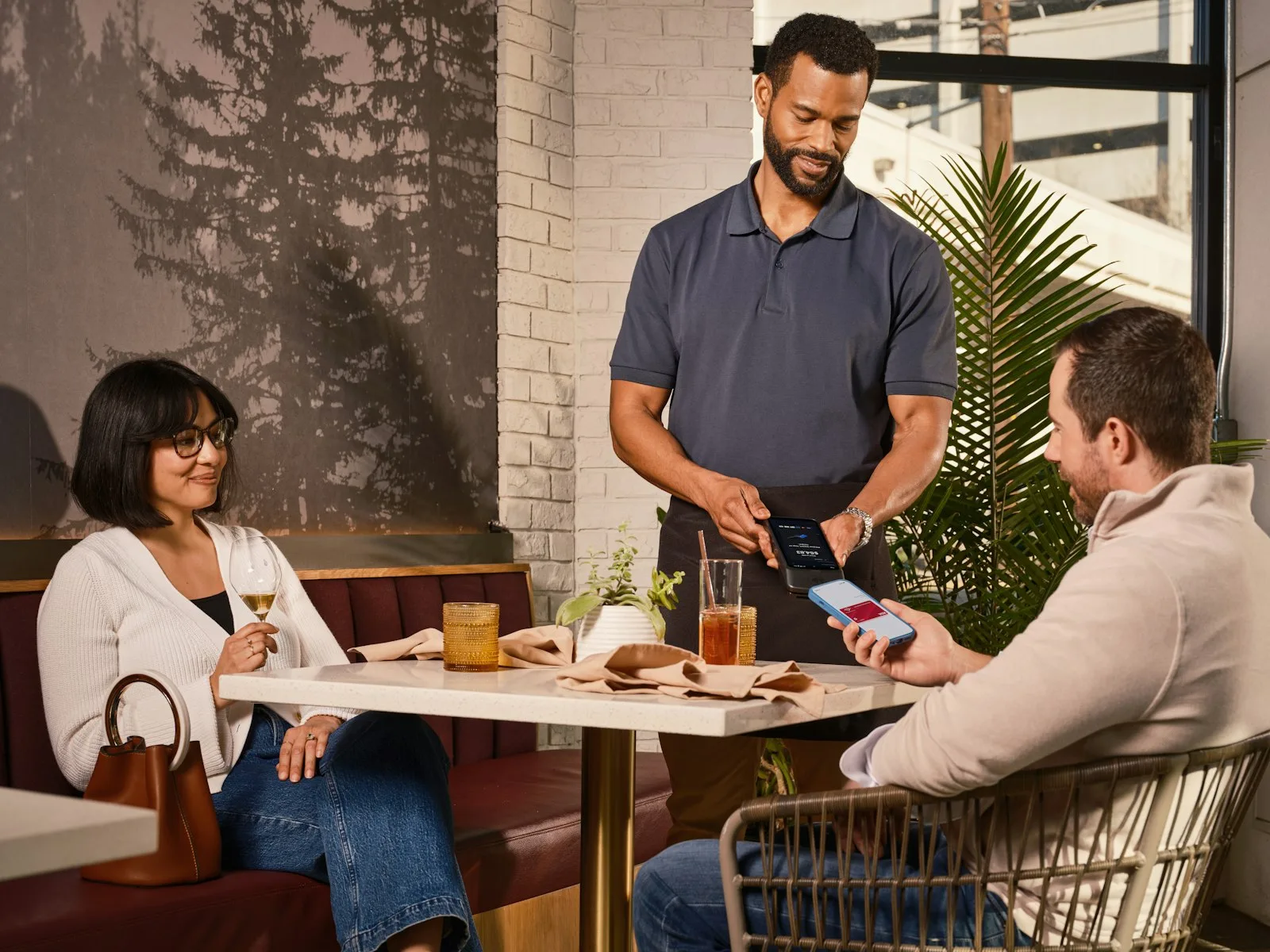
The card machine comes to your table
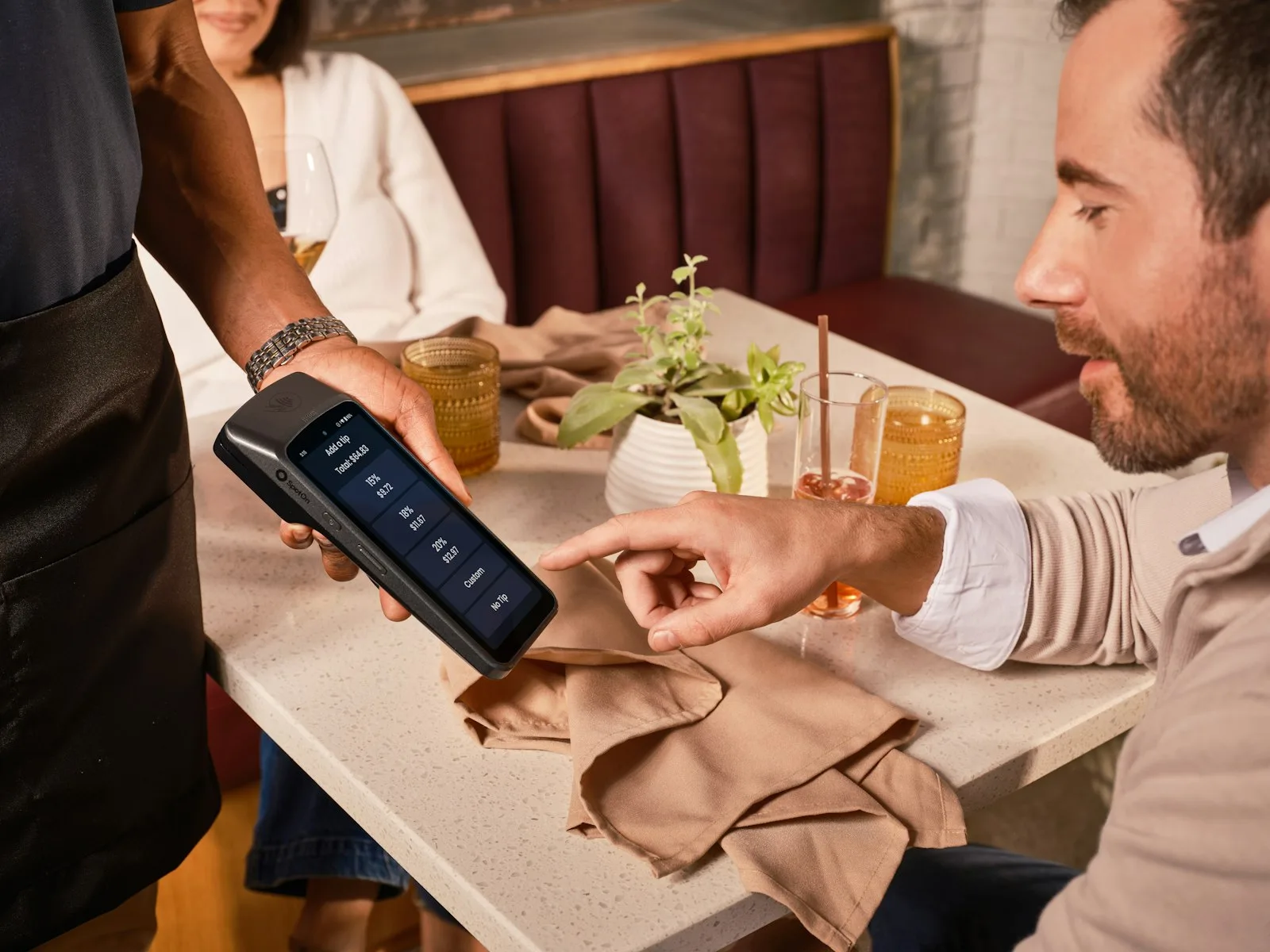
In the United States it is normal for the waiter to take your card and come back with the receipt. Not here. In Colombia they bring the card machine (datáfono) to your table and you insert or tap the card yourself. If someone asks for your card to charge it somewhere else, don’t hand it over: ask them to bring the machine. No serious place will mind.
- Insert or tap the card yourself and don’t let go of it.
- Cover the keypad with your other hand when you type your PIN.
- Check the amount on the screen before you approve it.
- Keep the receipt until you see the charge in your bank’s app.
Pesos or dollars? Always pesos
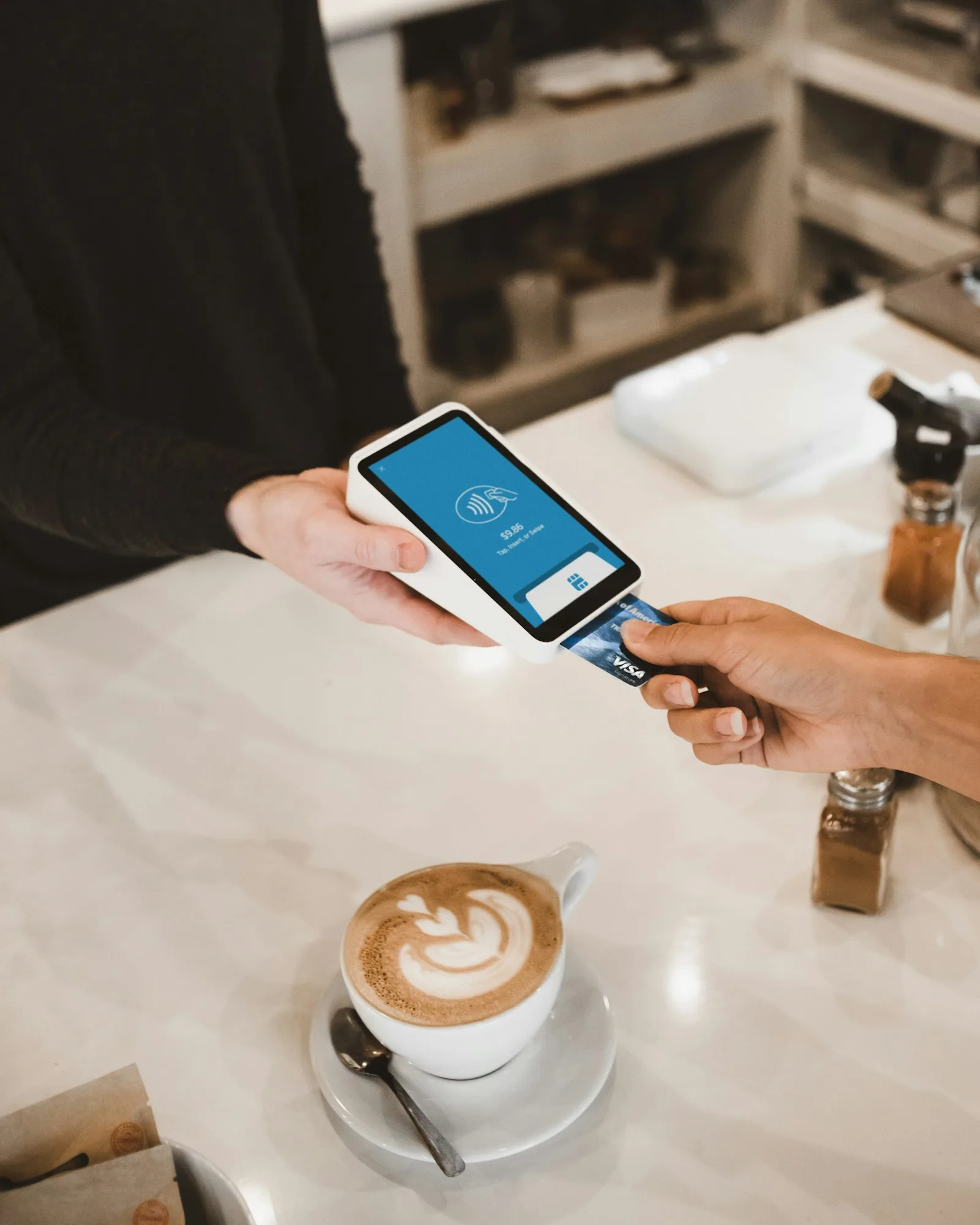
Some card machines and ATMs offer to charge you in dollars or in your card’s currency. It sounds convenient, but the store makes that conversion at a worse rate than your bank. Choose Colombian pesos (COP) and let your bank do the exchange.
“How many installments?”
It is a very Colombian question. Here, credit card purchases can be paid in installments (cuotas), and before charging you they ask how many. With a foreign card the answer is “one” (una). If you pay with a debit card, it doesn’t apply.
Tipping is optional
When you ask for the bill at a restaurant, they will ask if you want to include the service: that is the suggested tip, which can’t be more than 10%. By law it is voluntary. You can accept it, change the amount or remove it, even if it is already on the bill. If the service was good, it is customary to leave it.
Which ATM to use
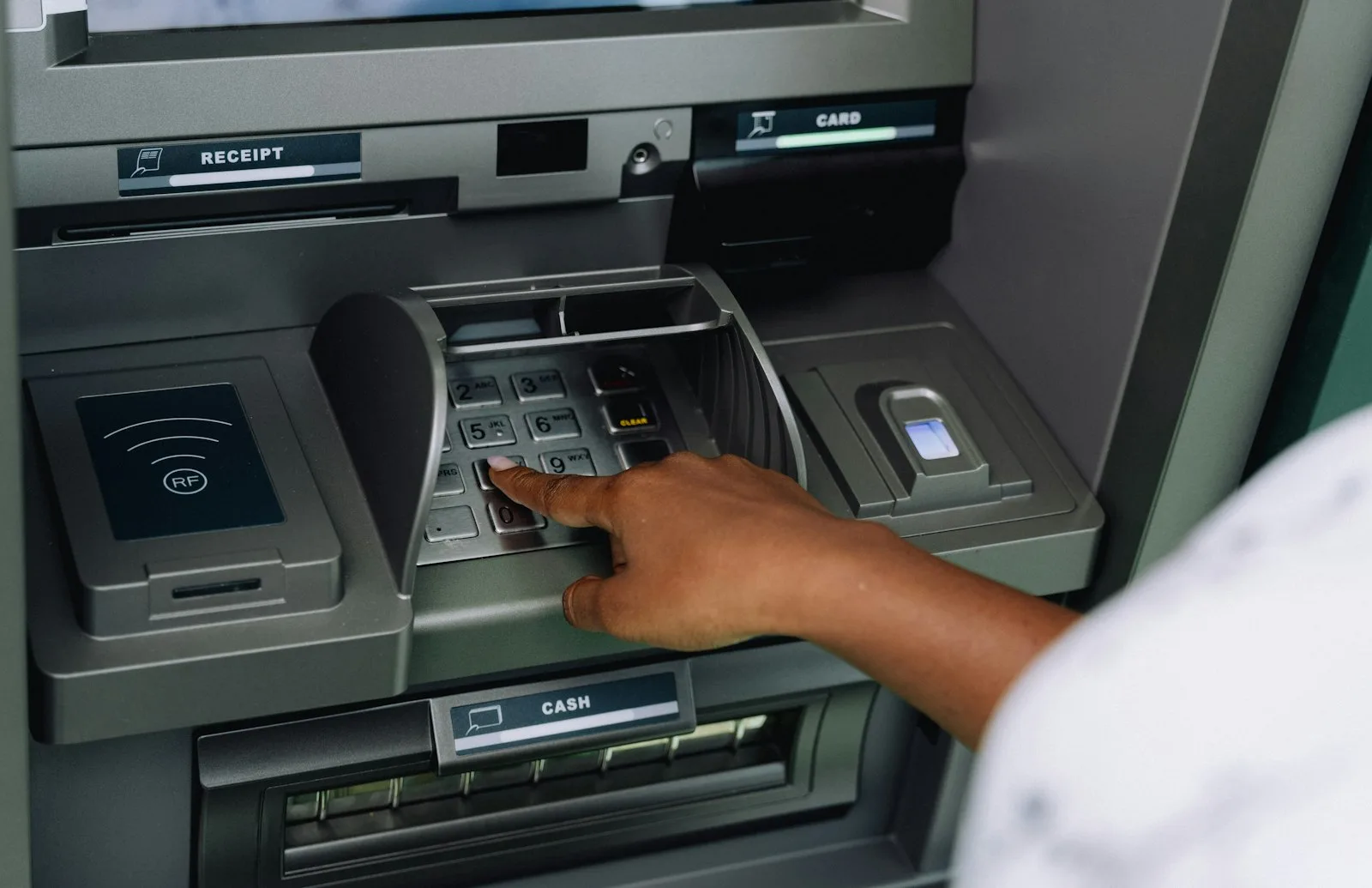
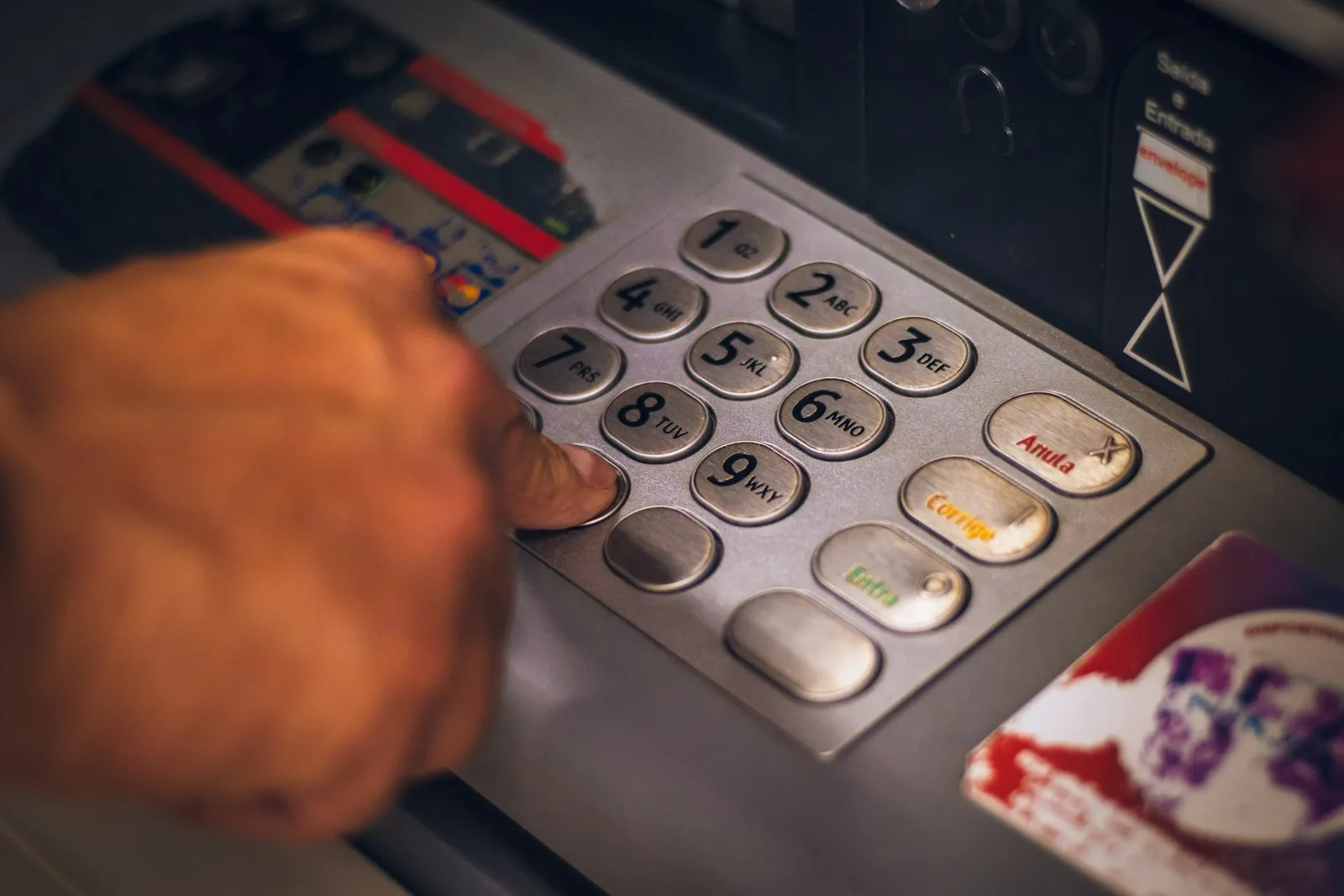
Use ATMs inside a shopping mall, a supermarket or a bank branch, and preferably during the day. Avoid standalone ATMs on the street, especially at night. On the map we mark the ones we recommend near each hotel.
Every bank charges foreign cards a flat fee per withdrawal, and the ATM shows it on screen before you confirm. This is what travelers reported in May 2026. Fees change: always check the one on screen before you accept.
- Banco Caja Social: about COP 18,900 per withdrawal. The cheapest, but it has fewer ATMs.
- Davivienda: about COP 26,000 per withdrawal, and it lets you take out up to COP 2,000,000 at once.
- Servibanca: about COP 26,000 per withdrawal and the same limit as Davivienda. In Cartagena there are several inside malls and supermarkets.
- Bancolombia: about COP 30,000 per withdrawal. It has the biggest network, you’ll find it everywhere, but it lets you take out less each time.
- BBVA: about COP 24,000, but it only lets you take out COP 300,000 per withdrawal. Not worth it.
Since the fee is flat, it is cheaper to take out a good amount once than a little many times. Your own bank may charge its fee too: ask before you travel.
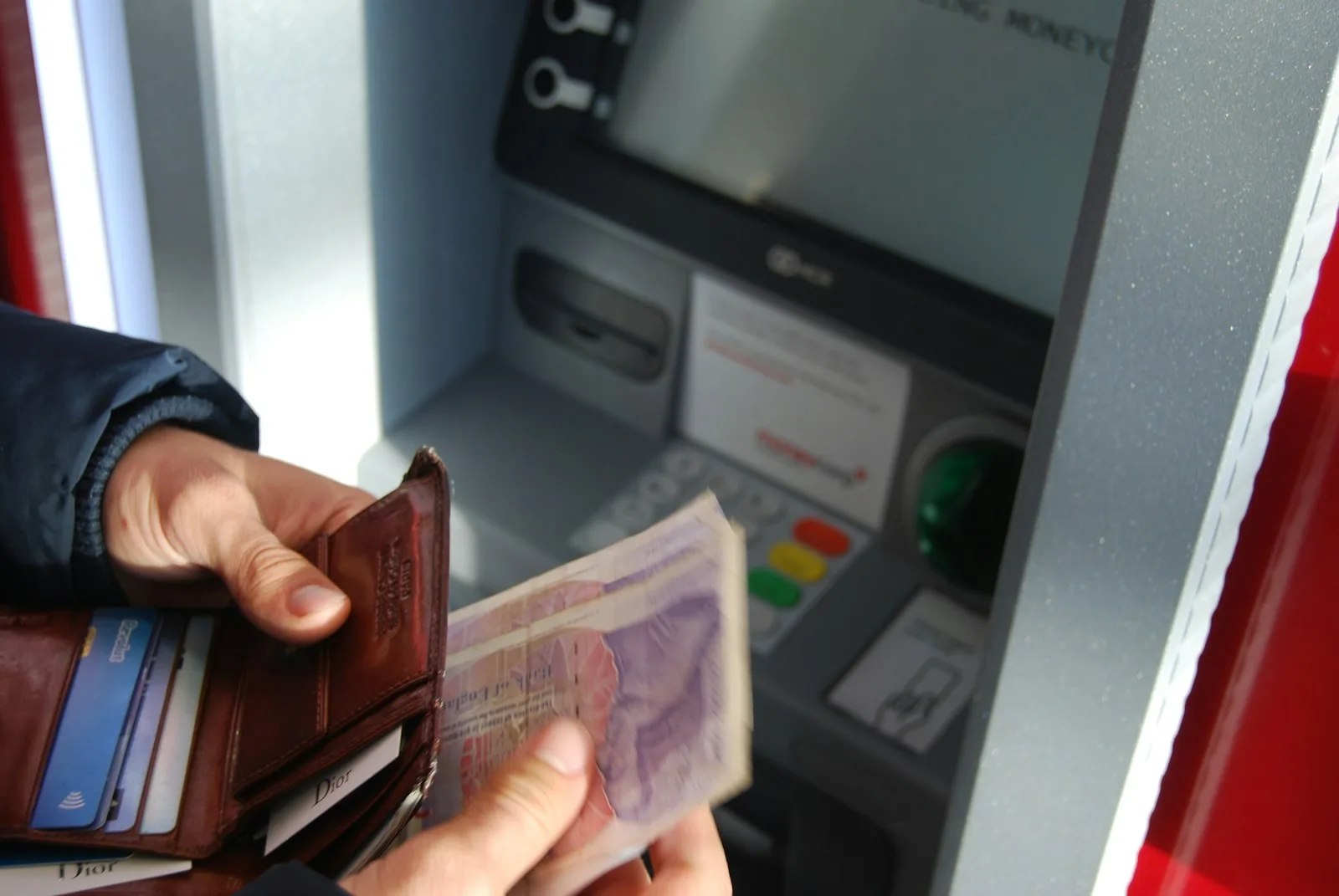
- Don’t accept help from anyone at the ATM, even if they seem friendly or say they work there.
- If the card slot is loose or has something stuck to it, use another ATM.
- If the ATM keeps your card, don’t leave with anyone: call your bank at the number on the card or in its app.
Where to exchange dollars or euros
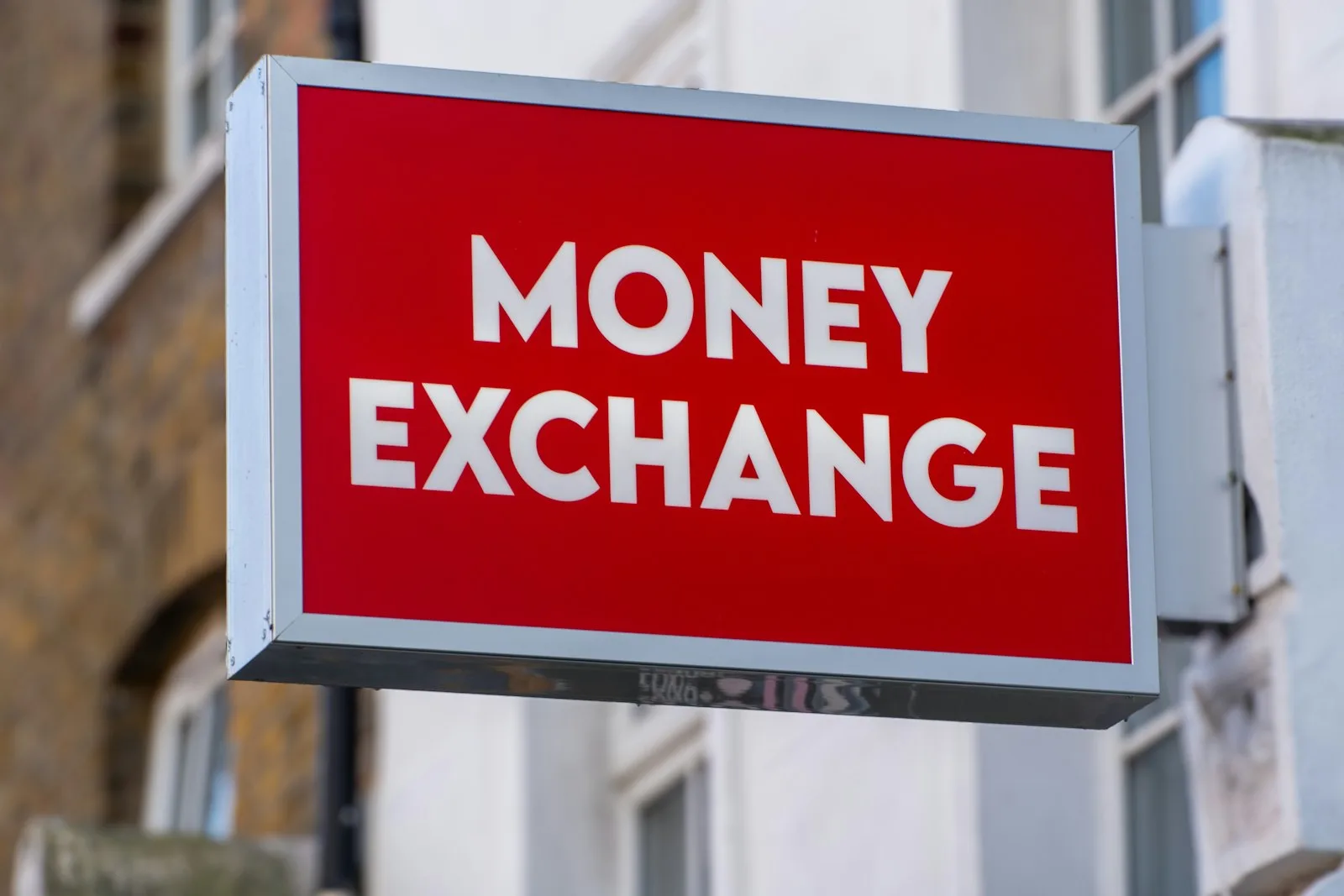
At exchange offices with a storefront and a sign, never on the street. The DIAN (Colombia’s tax authority) asks people to exchange only with authorized businesses. In Cartagena there are street money changers in the Centro who offer a good rate and then pay with fake bills or tricks when counting. Bring your passport: they will ask for it. On the map we also mark exchange offices near each hotel.
Cash or card?
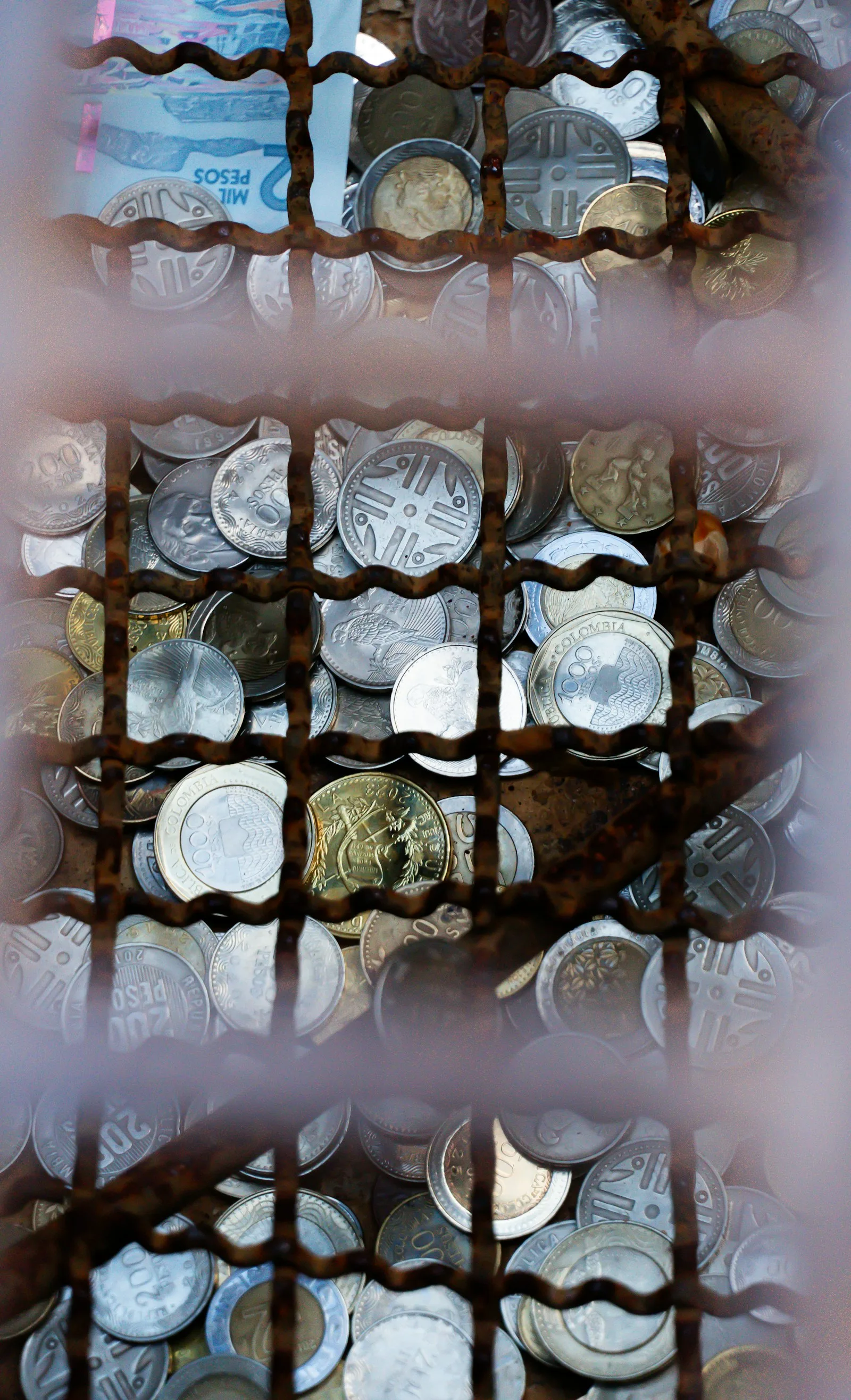
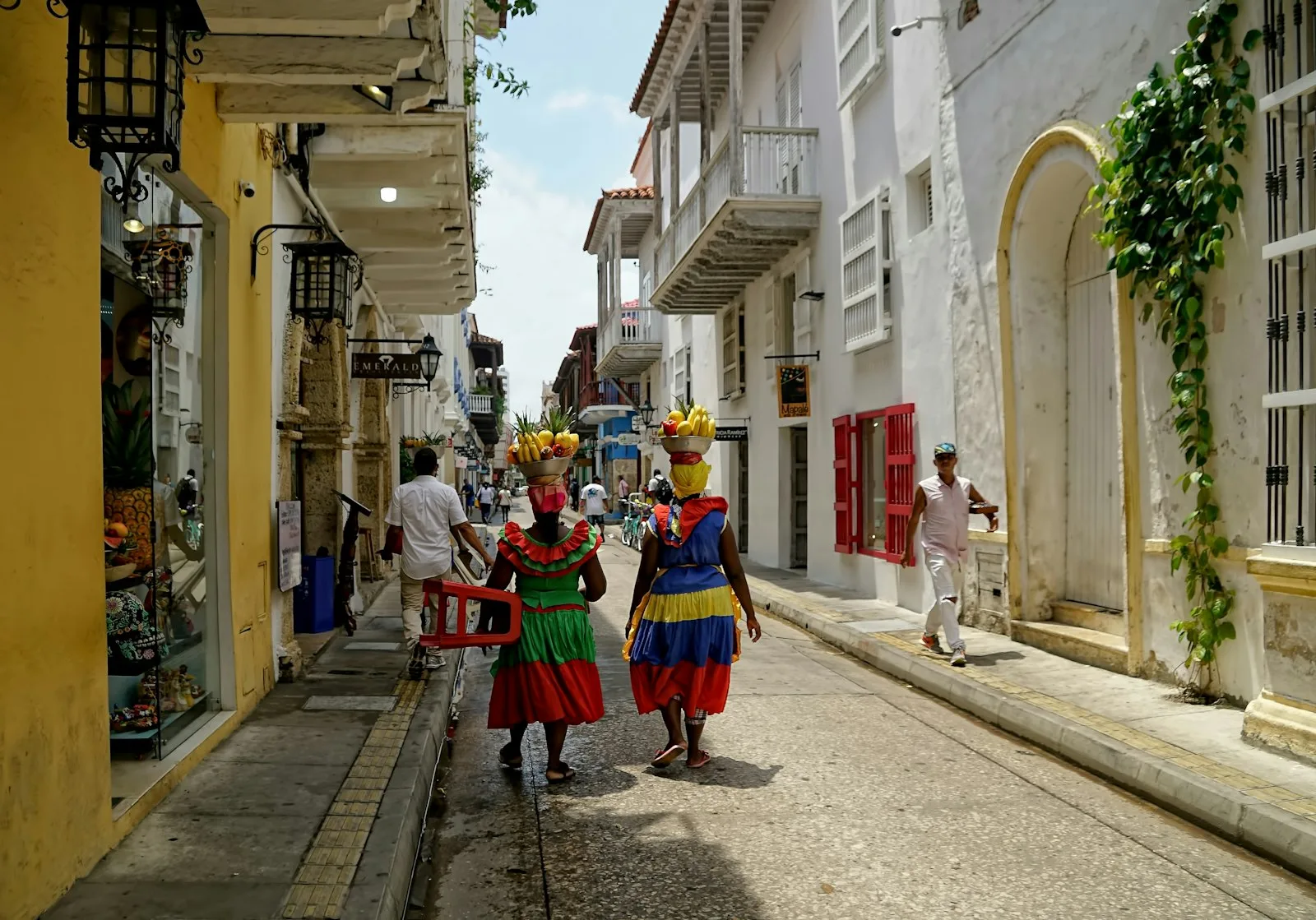
In Medellín, Cartagena and Cali you can pay by card almost everywhere: restaurants, stores, supermarkets and malls. Cash is useful for the corner store, markets, beaches, tips and some taxis. Carry a little in small bills and the rest on your card.
If you lose your card or it gets stolen
- Block it right away from your bank’s app.
- Keep a second card somewhere else, for example in your room’s safe.
- Turn on alerts for every purchase in your bank’s app.
- The emergency number in Colombia is 123.
- Ask for help at your hotel’s front desk.
One last tip
Don’t accept drinks or food from strangers and don’t leave your drink alone on the table. It is rare, but when it happens it almost always ends at an ATM.